A lot has happened in beauty this year. Here are the three stories we think matter most if you care about what goes on your skin.
1. India’s beauty market keeps growing, and makeup is acting more like skincare
India is now one of the world’s most watched beauty markets. Estimates put the country’s beauty and personal care market at around US$28–31 billion in 2024–25, with forecasts of roughly US$48–49 billion by the mid-2030s (Entrepreneur India). Premium beauty is expected to roughly double by 2028.
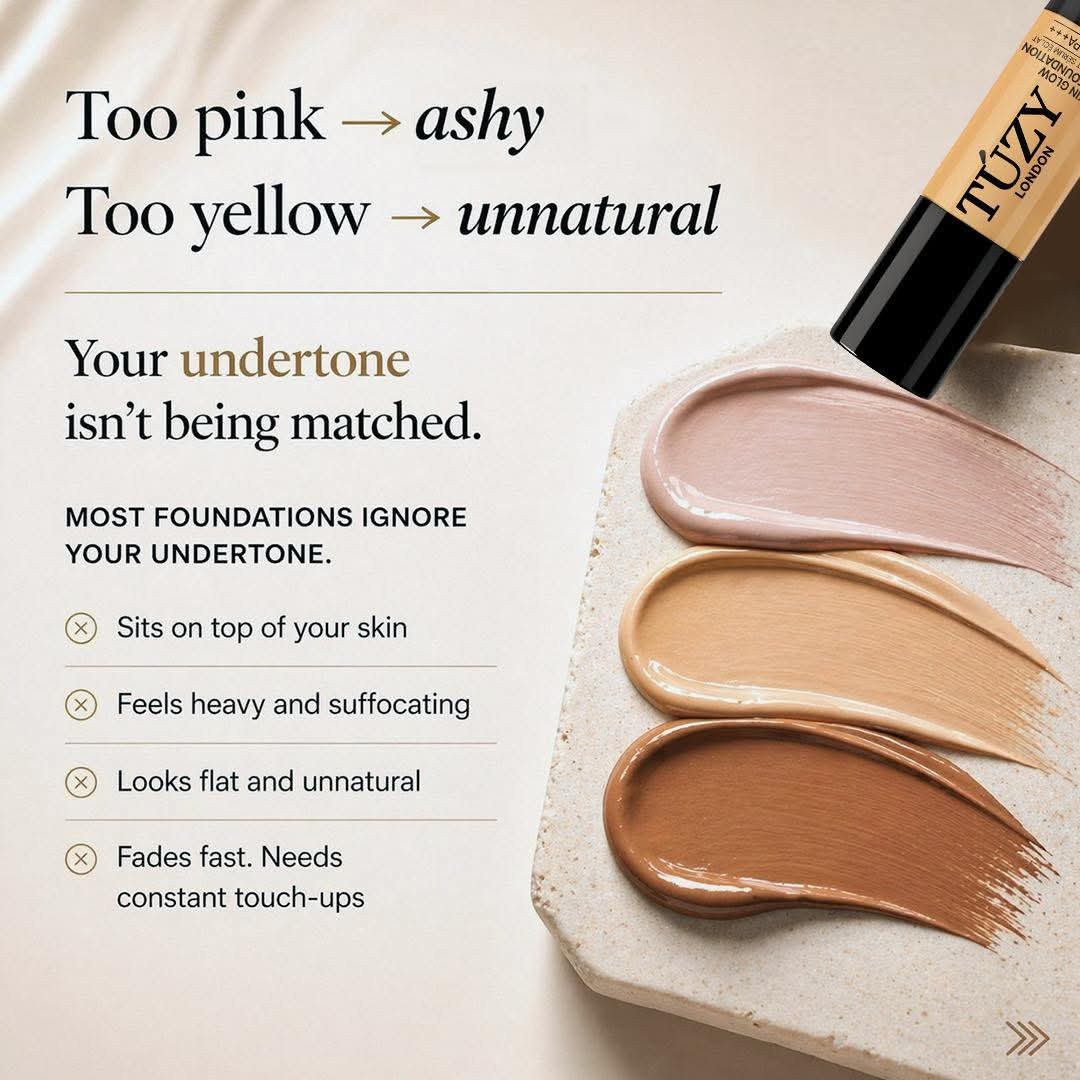
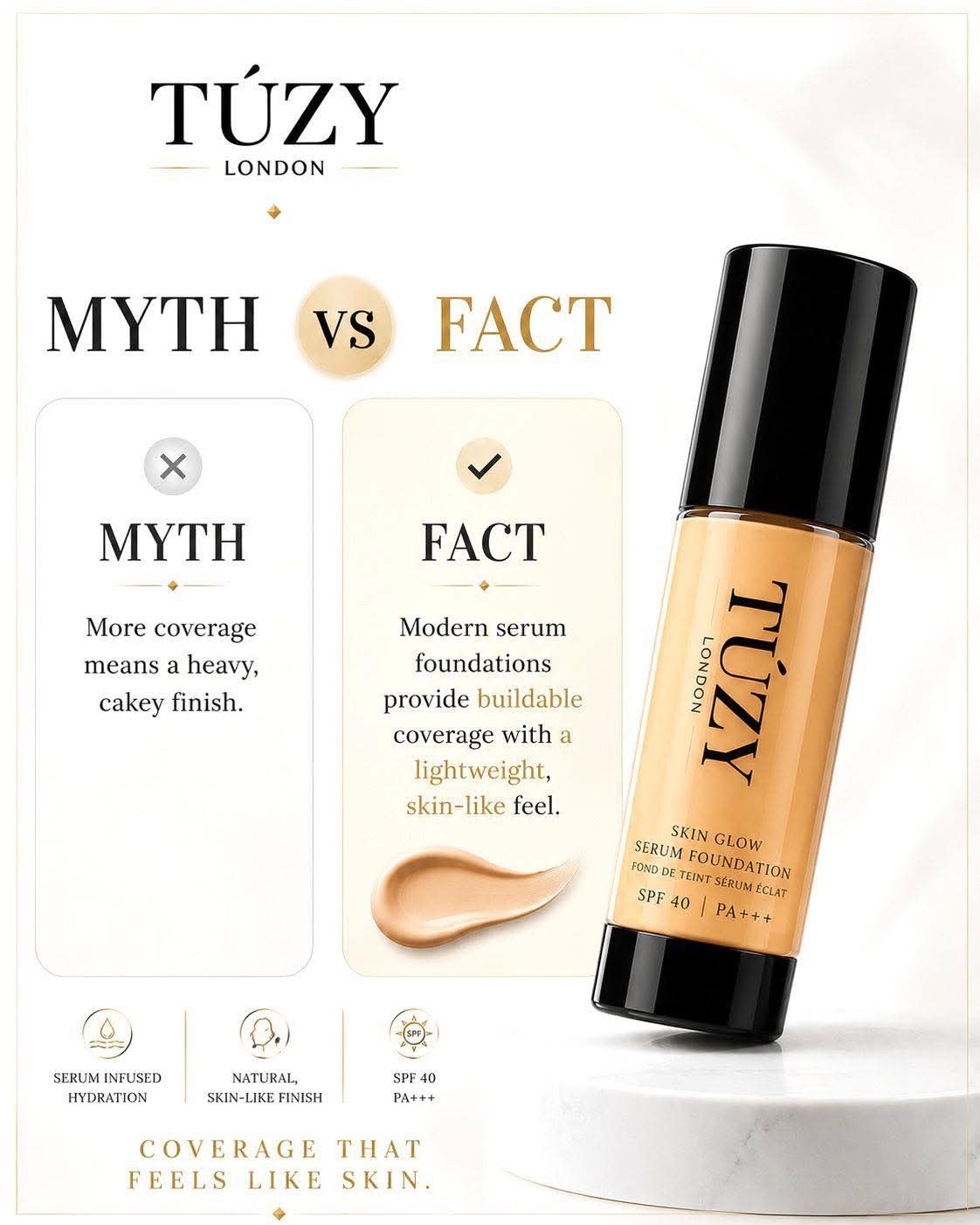
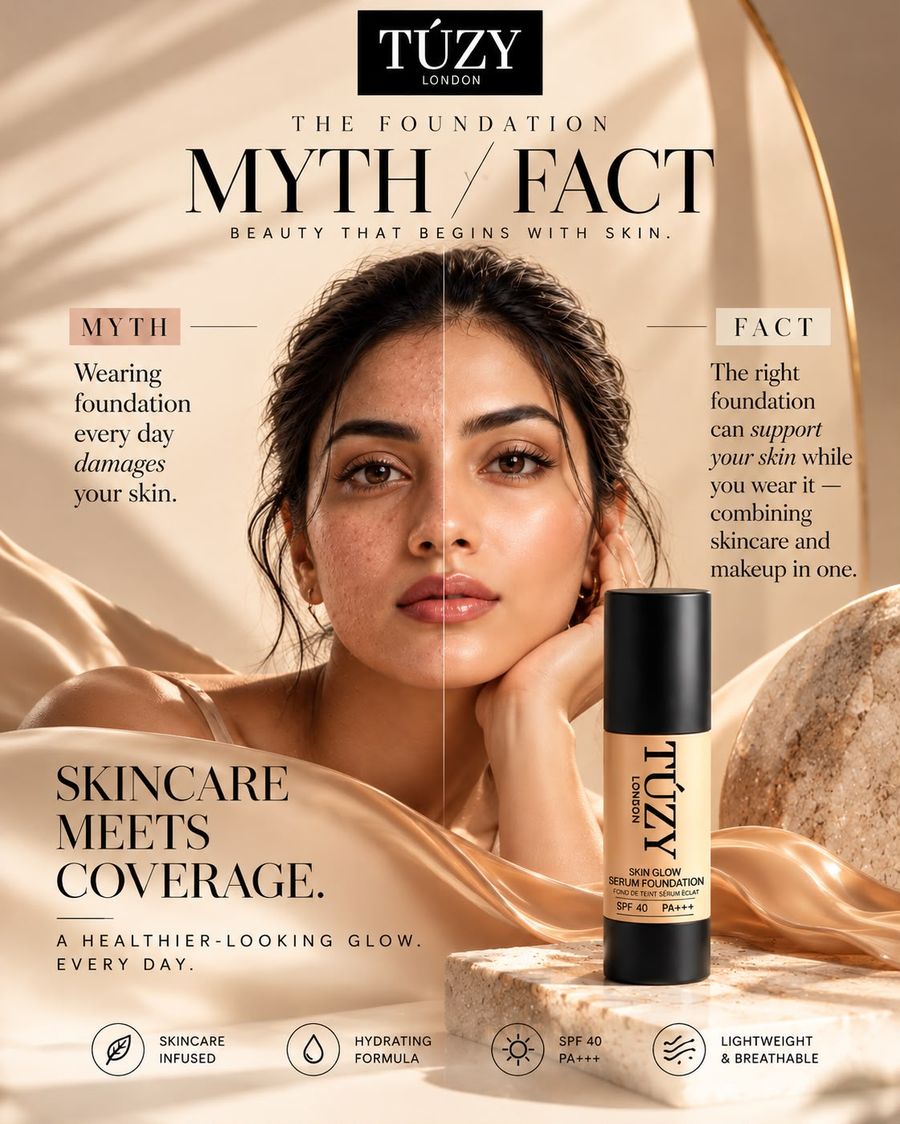
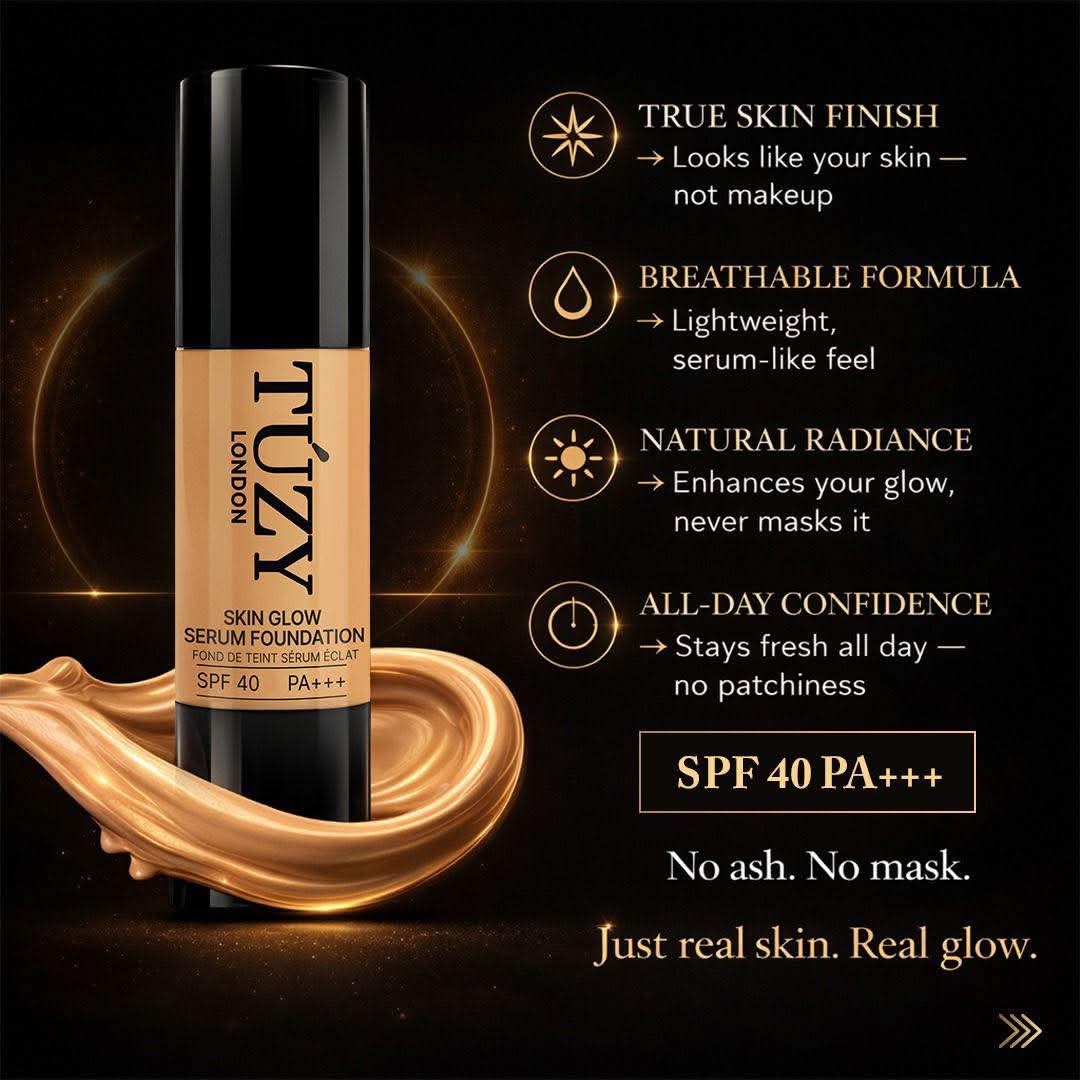
The bigger shift is in what people expect from makeup. Indian brands say almost every new colour product now has a skincare angle: foundations with hydrating ingredients, breathable formulas built for heat and humidity, and complexion products that work with your skin rather than sitting on top of it. Ten-minute delivery apps have also become a major place to discover beauty, although shoppers still like to match foundation shades in person.
What it means for you: “Skincare in your makeup” is becoming the norm, not a bonus. Look at what a foundation is built on, not just its shade and finish.
2. SPF claims are under the microscope
Sun protection has had a difficult couple of years. In Australia, consumer group CHOICE tested 20 popular sunscreens and found that 16 didn’t meet their SPF claims, and several products were withdrawn. Australia’s regulator later raised concerns about a testing laboratory used by many of the brands involved. In November, new results from Consumer NZ added to the pressure, and Australia’s regulator has proposed tougher testing requirements.
In the UK, an All-Party Parliamentary Group published a report in May calling for VAT on adult sunscreen to be cut to 5% and on children’s SPF 30+ to 0%, so that sun protection is treated as preventative healthcare rather than a luxury cosmetic.
What it means for you: SPF in a foundation is a welcome extra layer, but most people don’t apply enough foundation to get the full SPF on the label. On sunny days, or when you’re outdoors for long, wear a dedicated sunscreen underneath and reapply.
3. New UK ingredient rules
In January 2026 the UK updated its Cosmetics Regulation. The changes include a ban on the UV filter 4-MBC (products containing it could be placed on the market until 15 July 2026 and sold until 14 January 2027), a ban on 16 more substances classed as CMR, including the nail-gel ingredient TPO, and a new “releases formaldehyde” warning for some preservatives (CTPA).
What it means for you: If you’ve noticed favourite products being reformulated or relabelled this year, this is often why. These updates keep UK rules in step with the latest safety science.
Our take
The direction of travel is clear: people want makeup that cares for their skin, matches their undertone and backs up its claims. That’s exactly why we started TÚZY. Our Skin Glow Serum Foundation begins with aloe vera juice instead of added water and comes in ten shades designed for South Asian undertones. True skin. Real glow.
Sources
- Entrepreneur India: Performance-first beauty, how India’s $30 billion market changed
- CHOICE: We tested the SPF claims of 20 sunscreens
- The New Daily: Sunscreen protection claims fail (1 November 2026)
- Cosmetics Business: UK government urged to cut VAT on SPF
- CTPA: Amendments to the annexes of the UK Cosmetics Regulation